Just a remote.
Grandparents already hold it every evening. There is nothing to wear, charge or learn, so the check fits into a habit that already exists.
Mark Ahn · Grade 8, SIS · Seoul
I’m Mark Ahn. This is the story of how a hospice led me to build everyday devices that notice illness early, and of the impossible problem I want to take on next.
Prologue
I volunteer at a hospice,
a place where life and death meet.
There, I have met people from every walk of life.
Pancreatic cancer. Parkinson’s disease.
Different people, different stories.
Yet so many of them shared one thing.
They had already passed their golden time.
So I found my dream:
to help people not miss their most important chance.
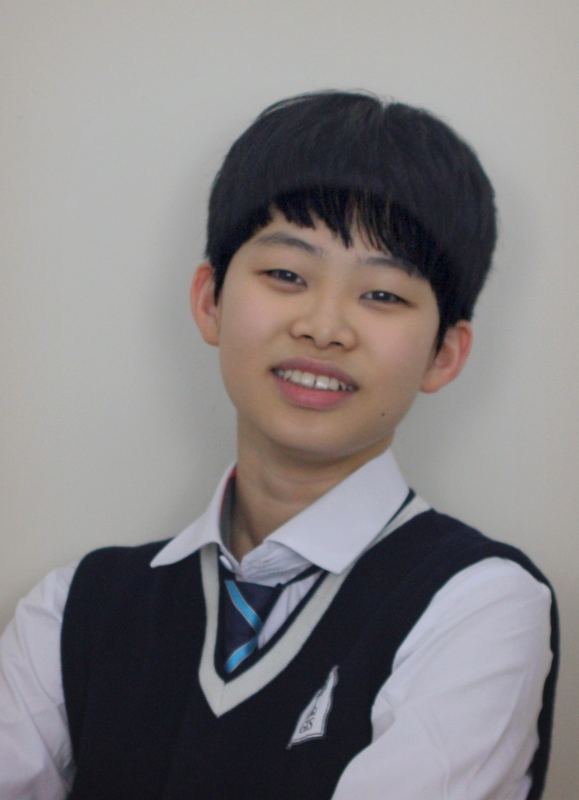
HelloMark Ahn · Grade 8, SIS · Seoul
How can we notice illness earlier, inside the lives people already live? What follows is how that question turned into three inventions and a research project, and how it keeps growing.
Chapter 1 Parkinson’s disease
It started almost lightly: a wearable that could catch Parkinson’s early.
But smartwatches aren’t familiar to many older adults. The people who most needed early detection were the least likely to wear one.
What do older adults already hold, every single day?
The TV remote.
For many grandparents, the day revolves around the TV, and the remote is never far from their hands. I moved the sensors of a smartwatch into a TV remote, creating a Parkinson’s screening device that fits into ordinary TV time.
How it works
Step 01 / 04
Grandparents already hold it every evening. There is nothing to wear, charge or learn, so the check fits into a habit that already exists.
Open it up and the kind of sensors a smartwatch uses sit on the remote’s own circuit board, beside the infrared LED and the batteries.
While the remote is held during TV time, a motion sensor can notice the small, rhythmic shake of a tremor, one of the common signs of Parkinson’s.
Watching for change over days, not minutes, means a family can be nudged toward a check-up sooner, while the golden time is still open.
Concept illustration · not the actual device
I won Gold at KSEF and introduced the remote in London.
But I didn’t want the journey to end there.
Hoping it could be used in the real world, I filed a patent application. Business turned out to be a whole new kind of challenge, and wrestling with it led to a moment I’m grateful for: a place on the John Locke Institute essay competition shortlist.
Chapter 2 Telemedicine for older adults
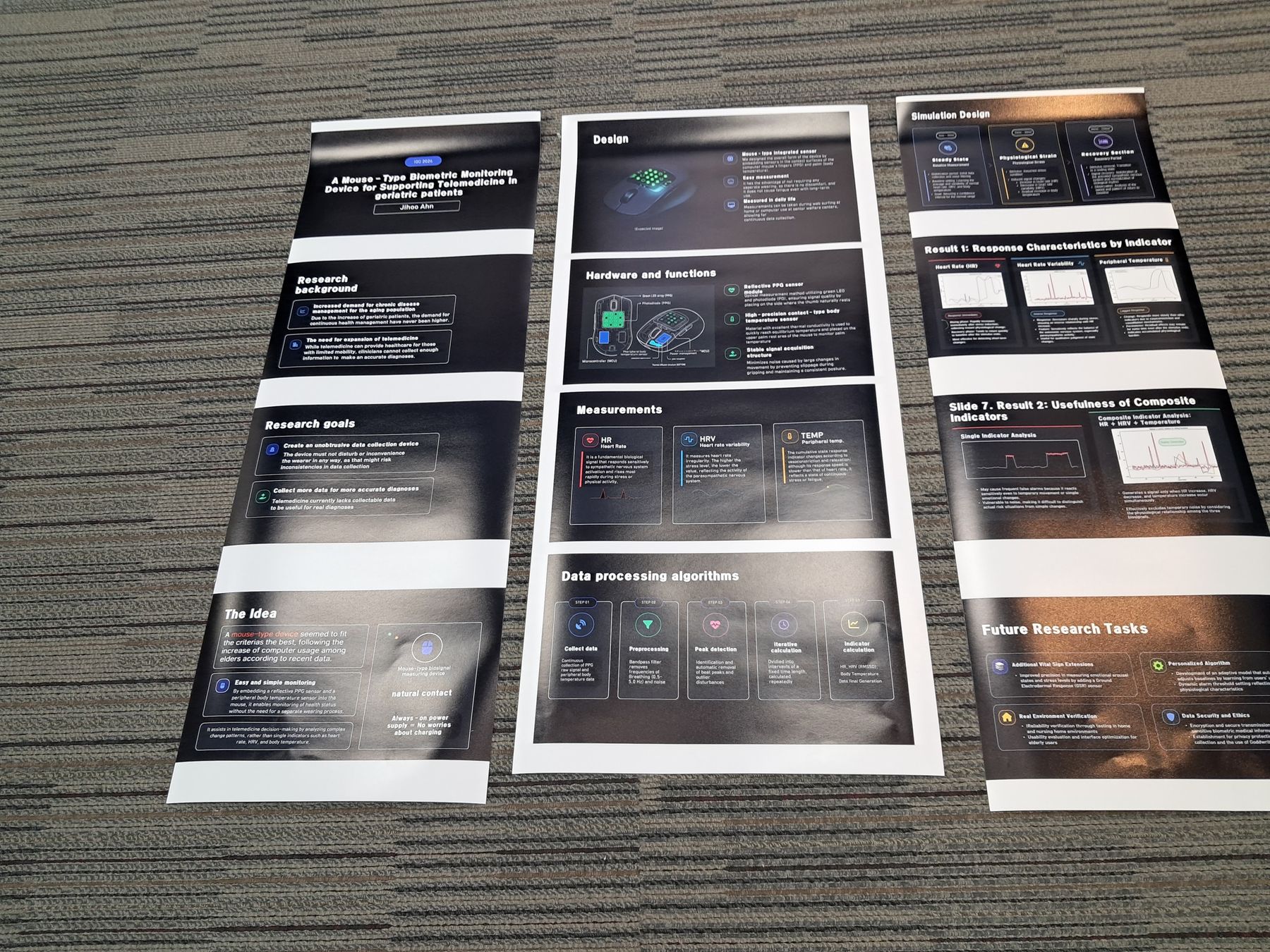
“A Mouse-Type Biometric Monitoring Device for Supporting Telemedicine in Geriatric Patients”
Telemedicine can bring care to people with limited mobility, but doctors often can’t collect enough information from a distance. As more older adults use computers every day, I asked the same question again, and turned the mouse itself into a sensor: no strap to wear, no battery to charge, no new habit to learn.
How it works
Step 01 / 04
As more older adults use computers every day, the mouse is already in their hand. It runs on the computer’s power, so there is no battery to charge and nothing new to learn.
Green LEDs shine into the fingertip and a photodiode reads the light that comes back. Each heartbeat changes it slightly, giving heart rate and heart-rate variability (RMSSD).
A thermally conductive pad where the palm rests tracks peripheral body temperature, a slower signal that lags behind the heart.
Any one signal jumps with a small movement or emotion. Flagging strain only when all three change together filters out that noise, so a doctor gets fewer false alarms.
Concept illustration · readouts are simulated
Key finding
Heart rate reacts instantly, HRV moves the opposite way, and temperature lags behind. A single indicator raises false alarms at every small movement or emotion. Flagging strain only when all three change together filters out that momentary noise.
Next steps: add a GSR sensor, personalise each user’s baseline, test in homes and nursing homes, and protect sensitive health data.
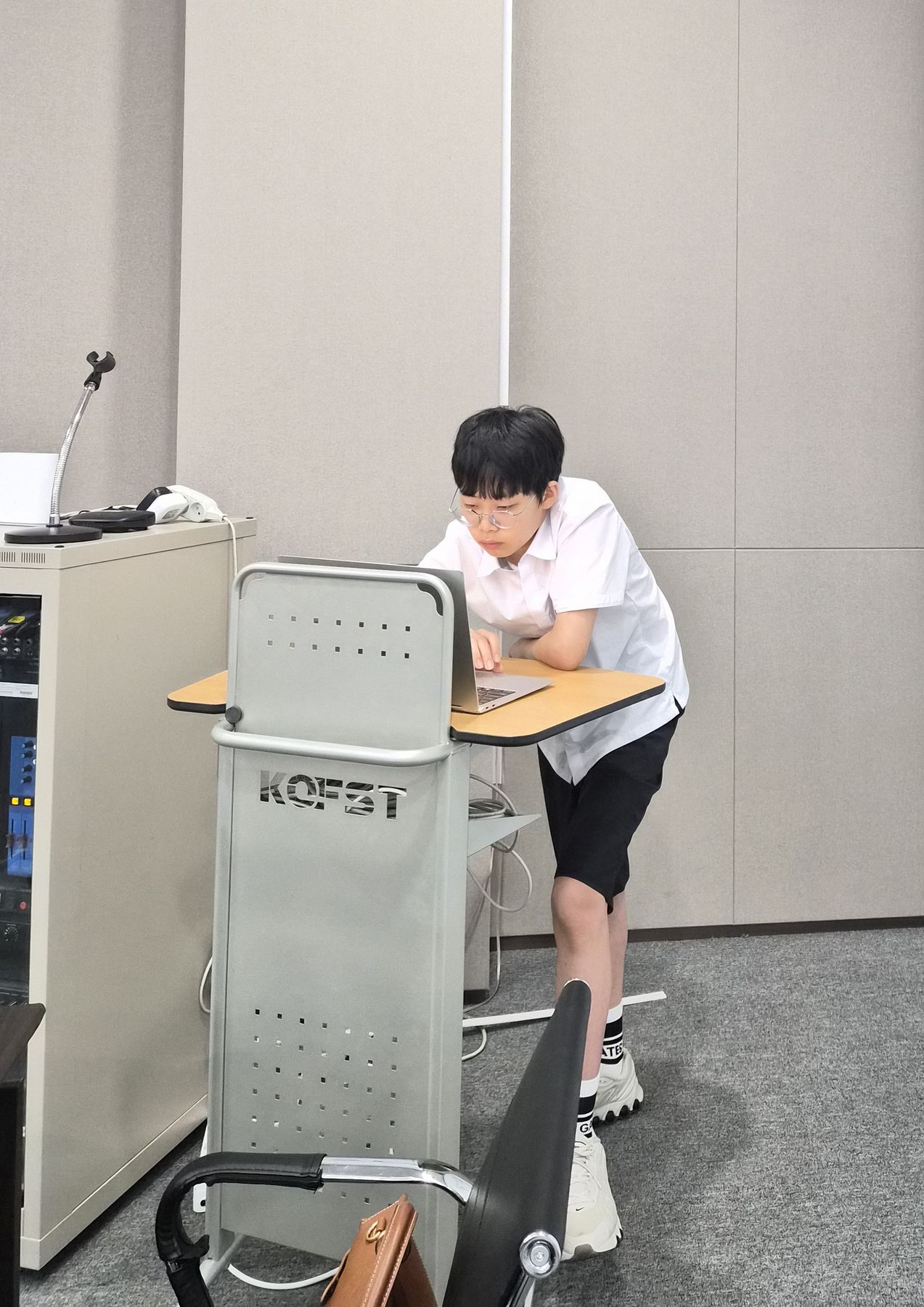
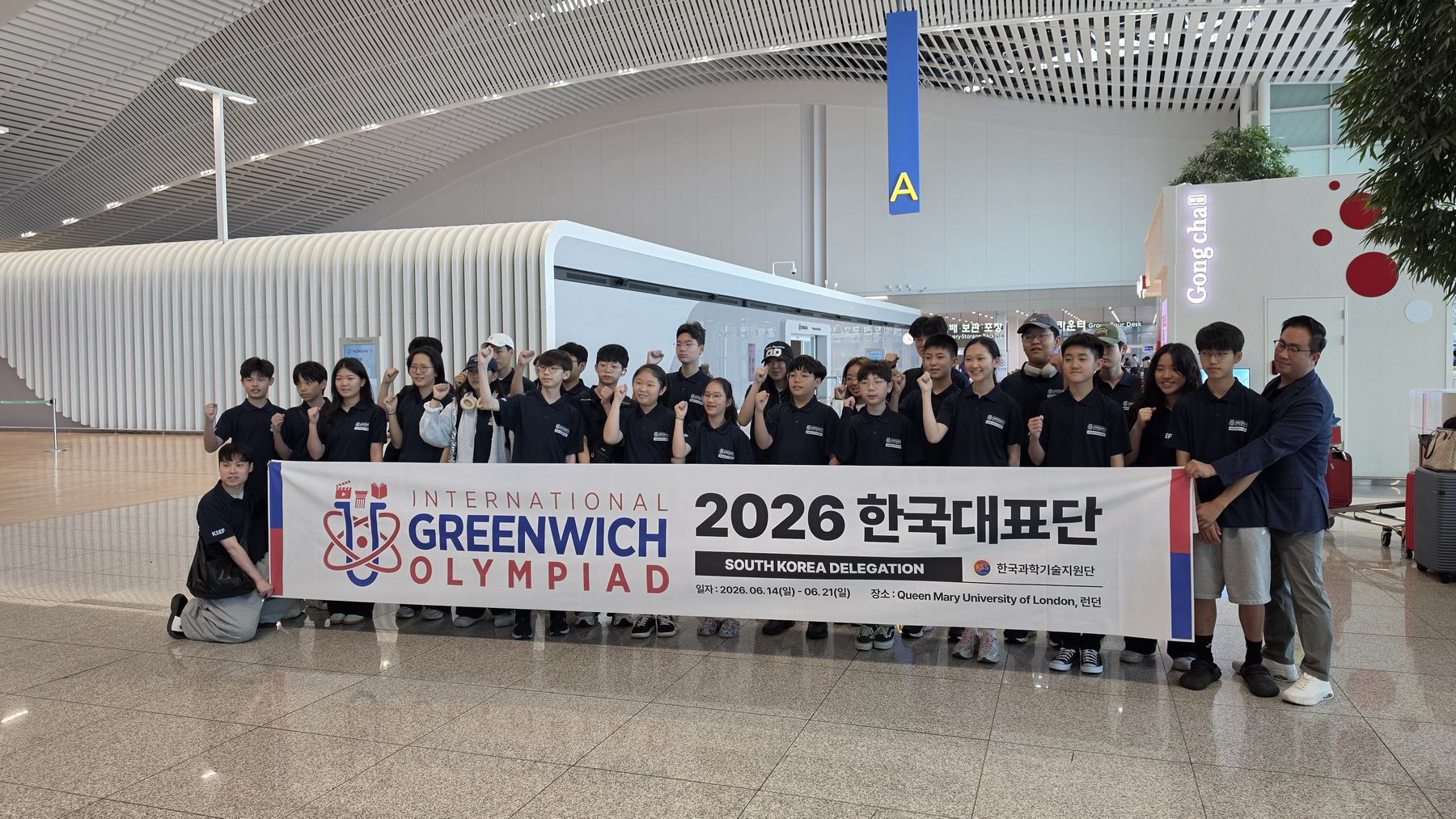
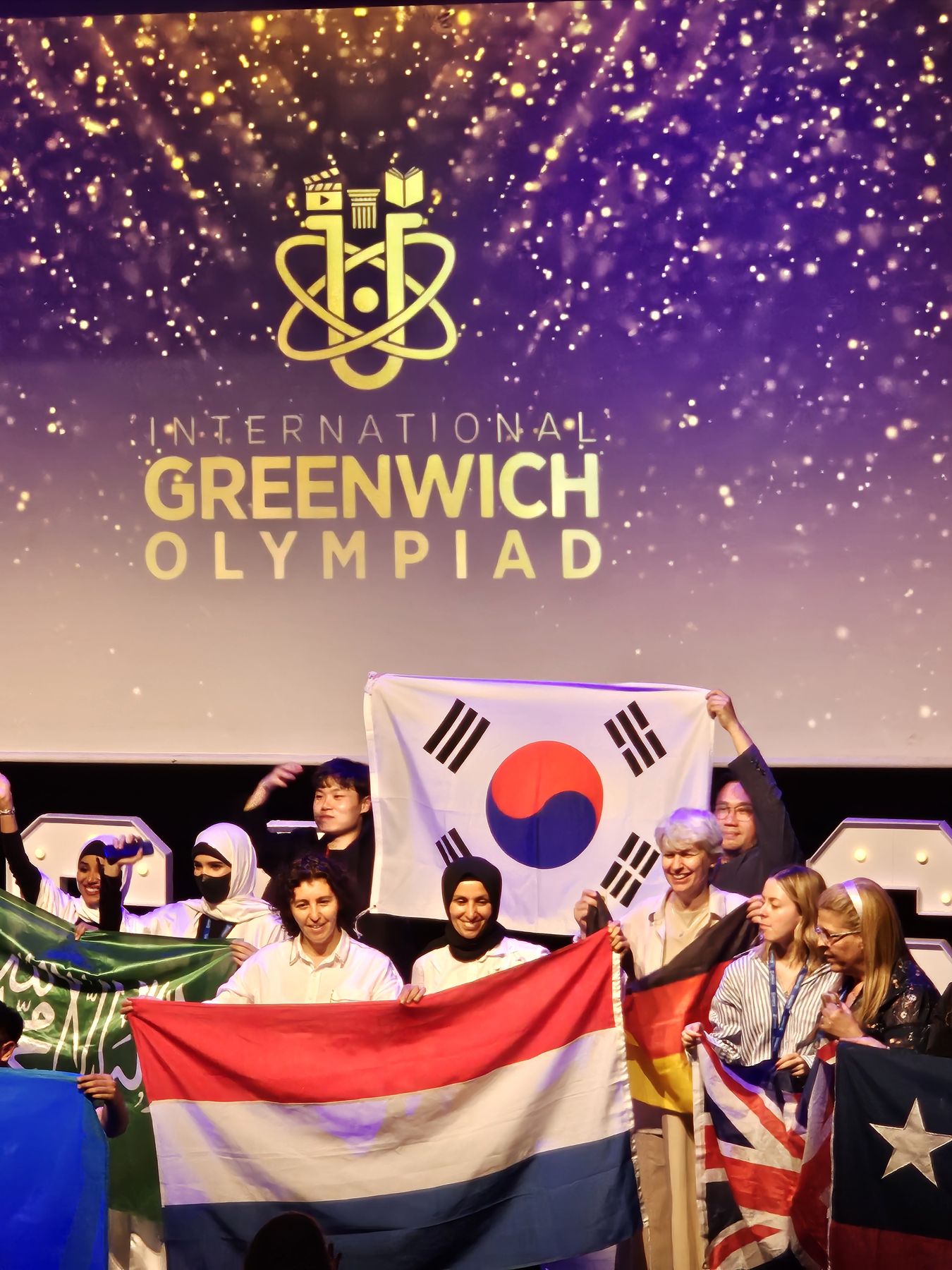
Interlude International Greenwich Olympiad
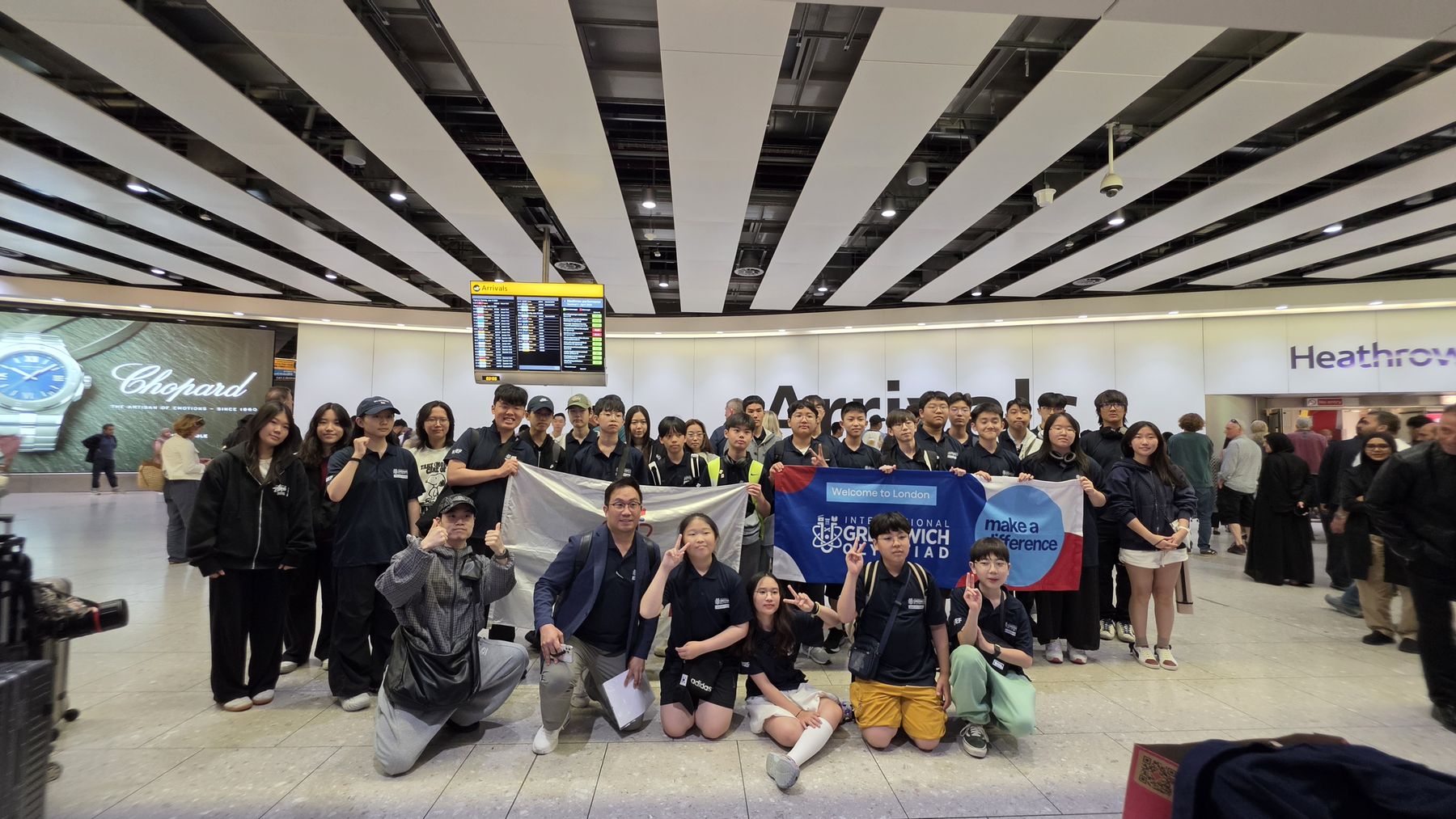
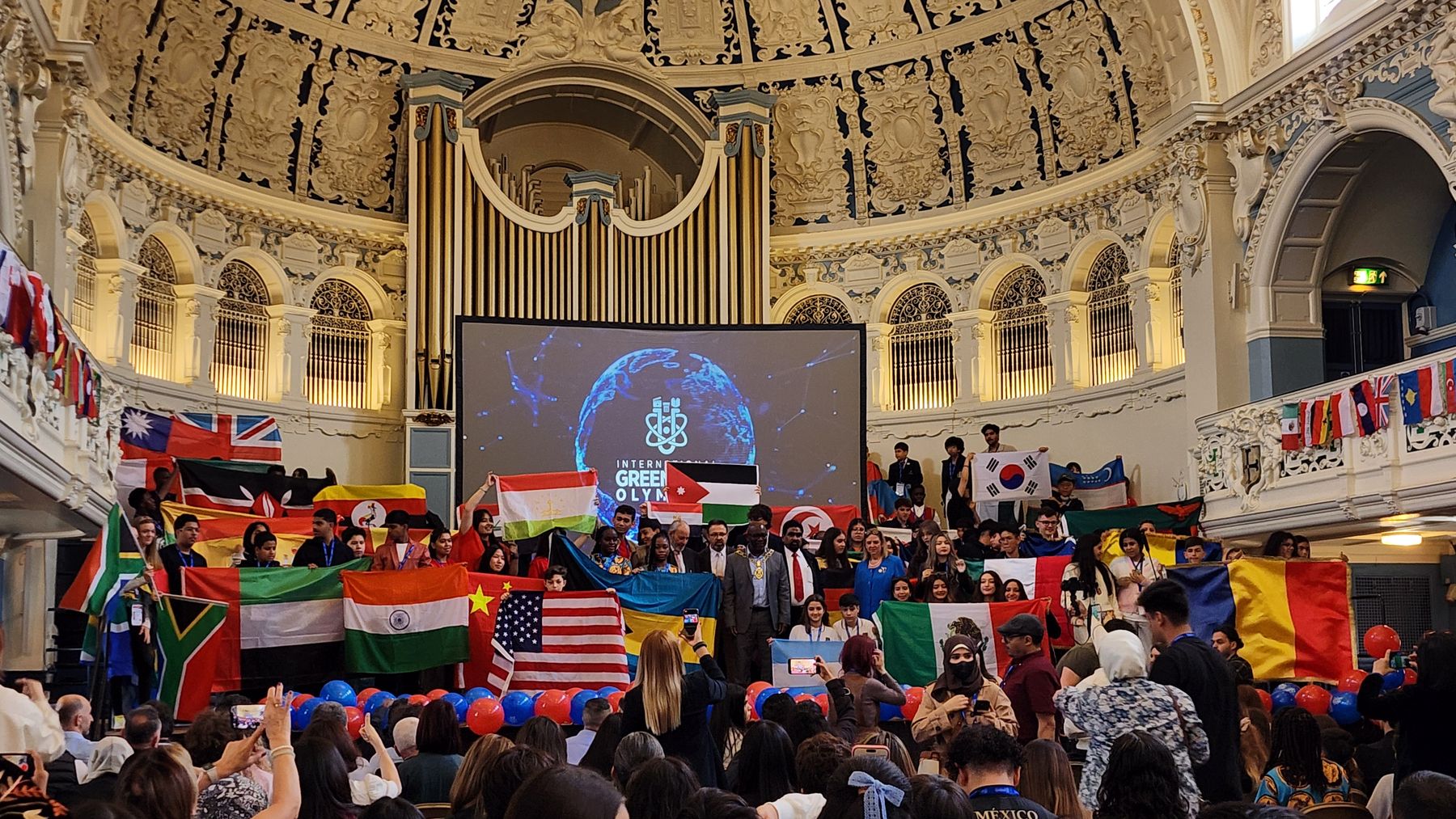
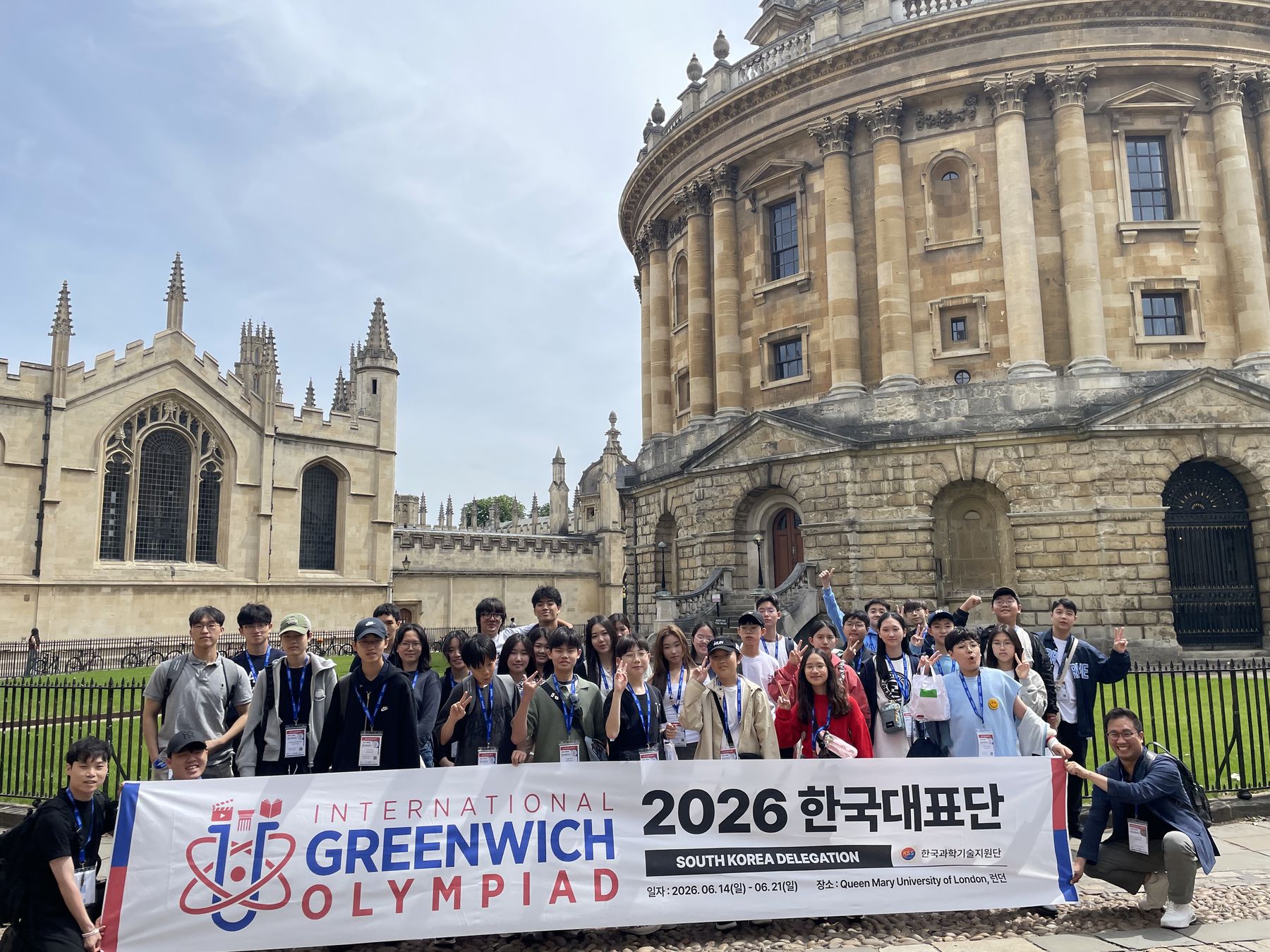
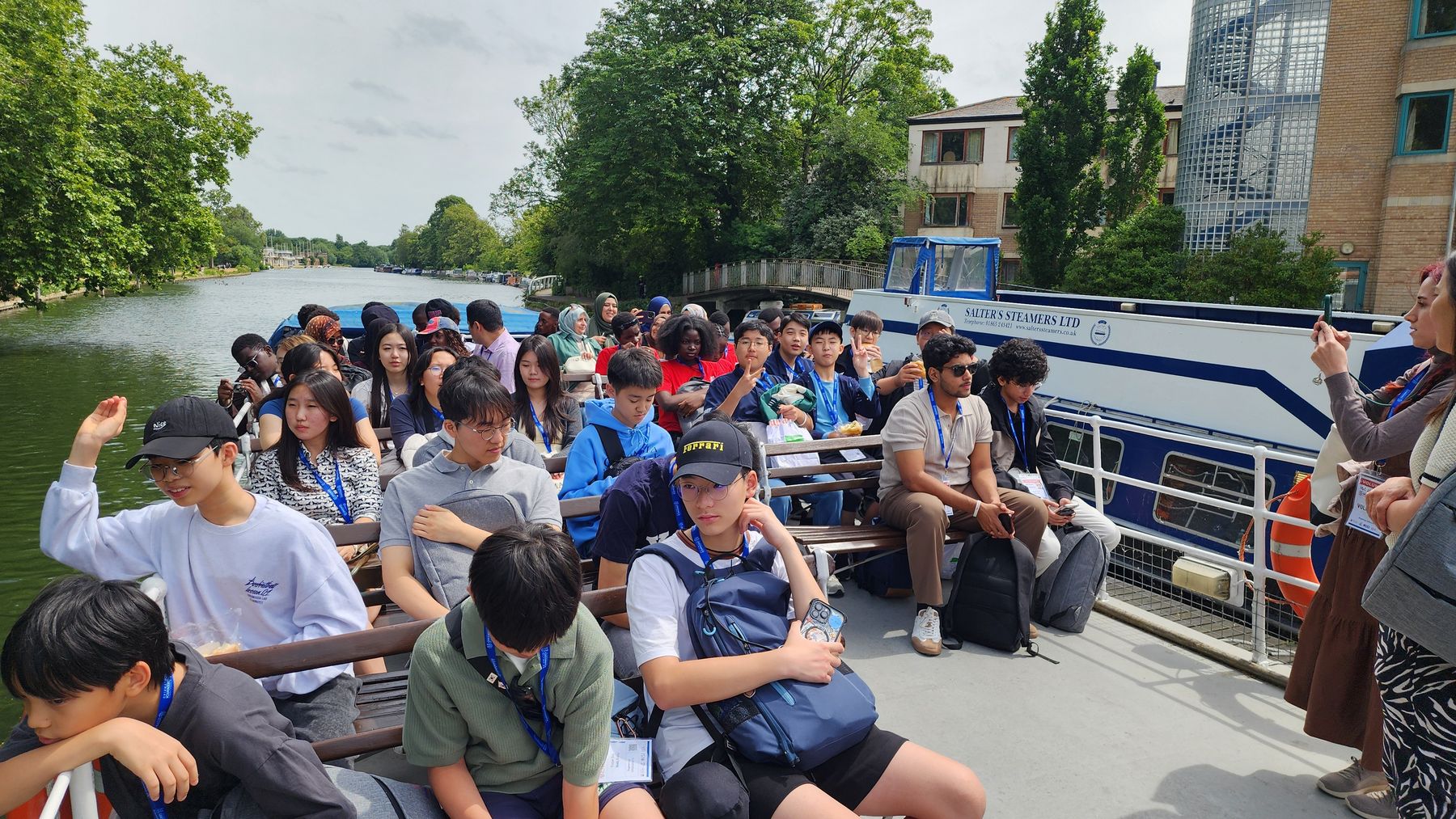
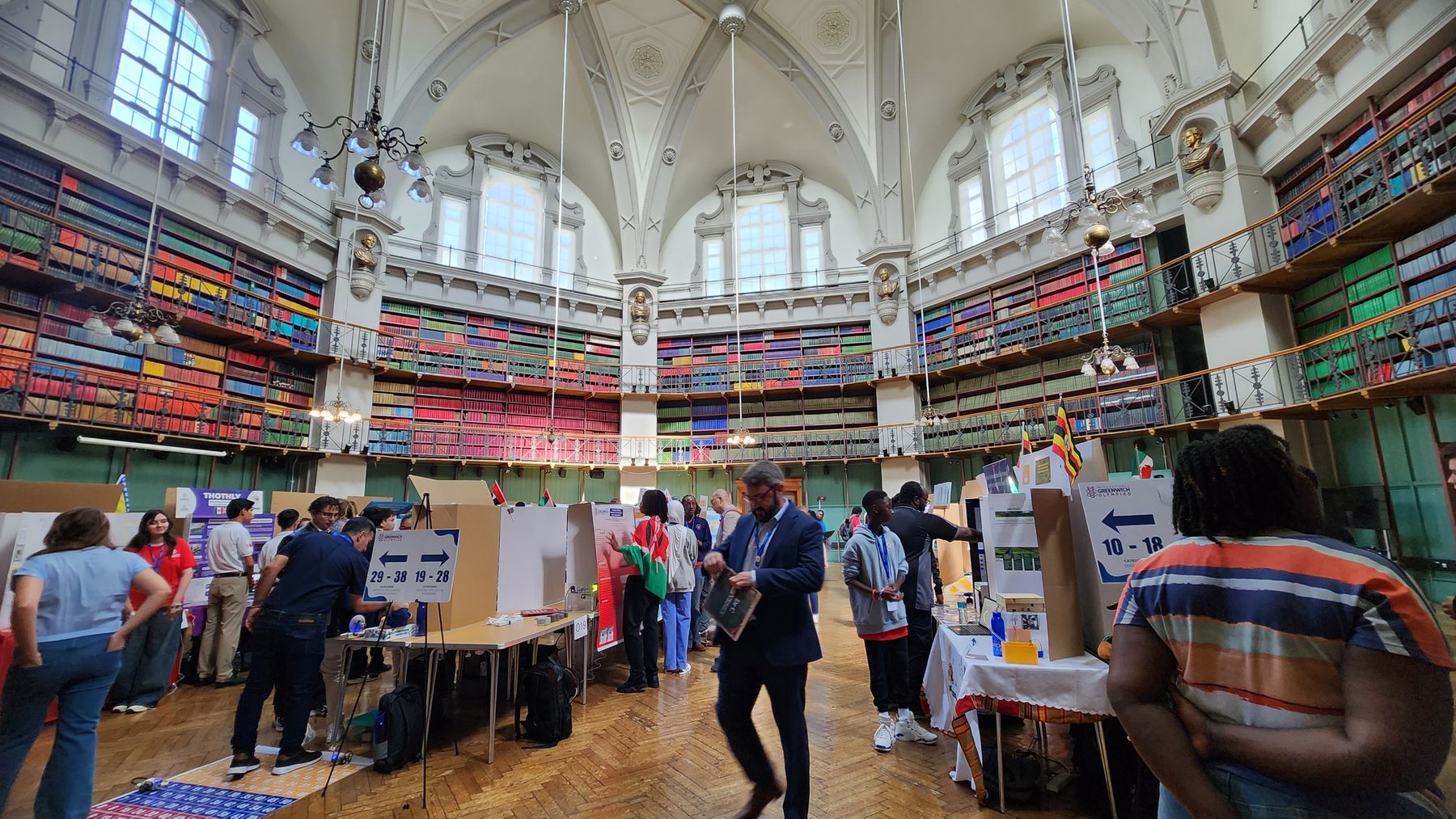
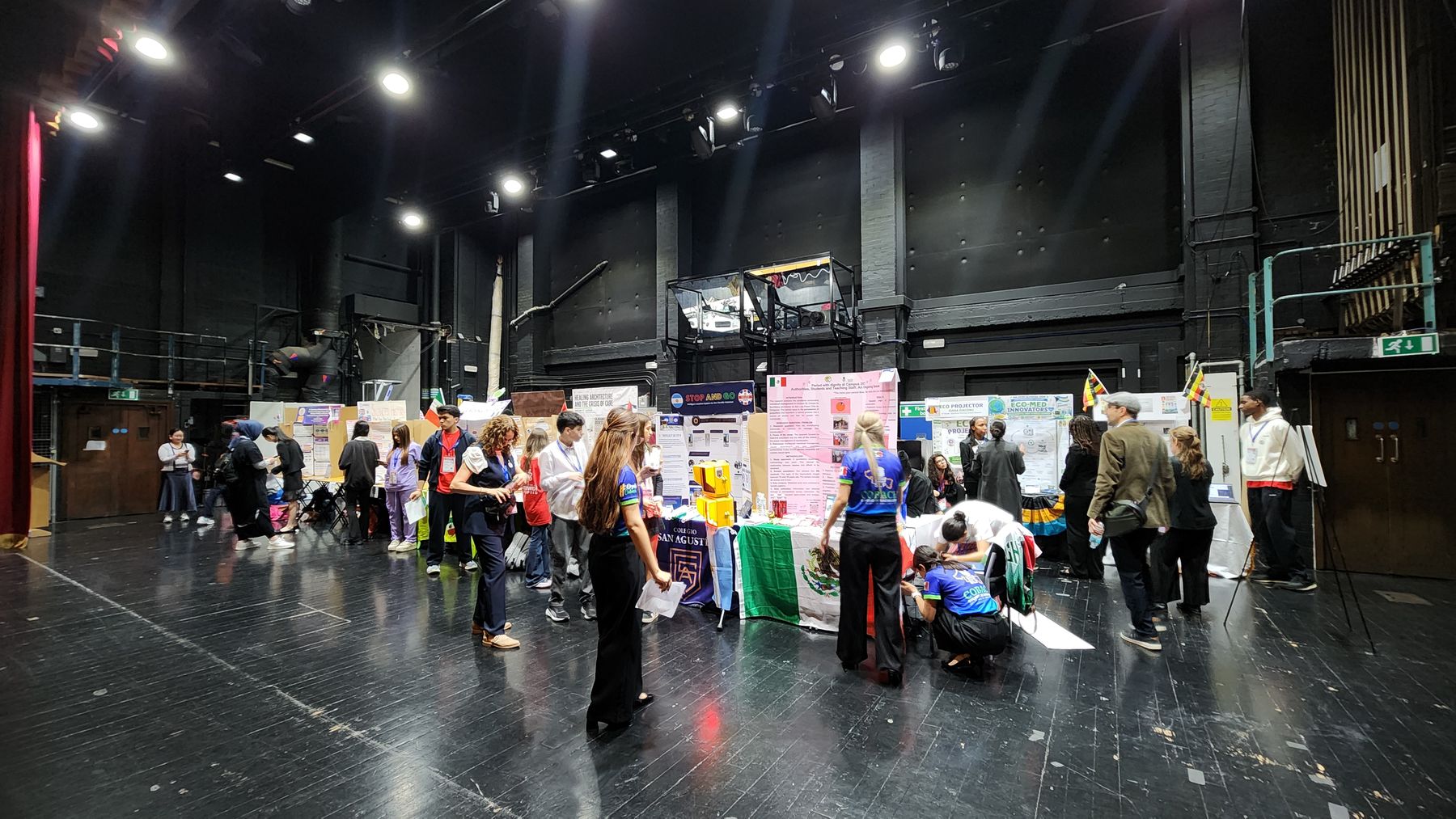
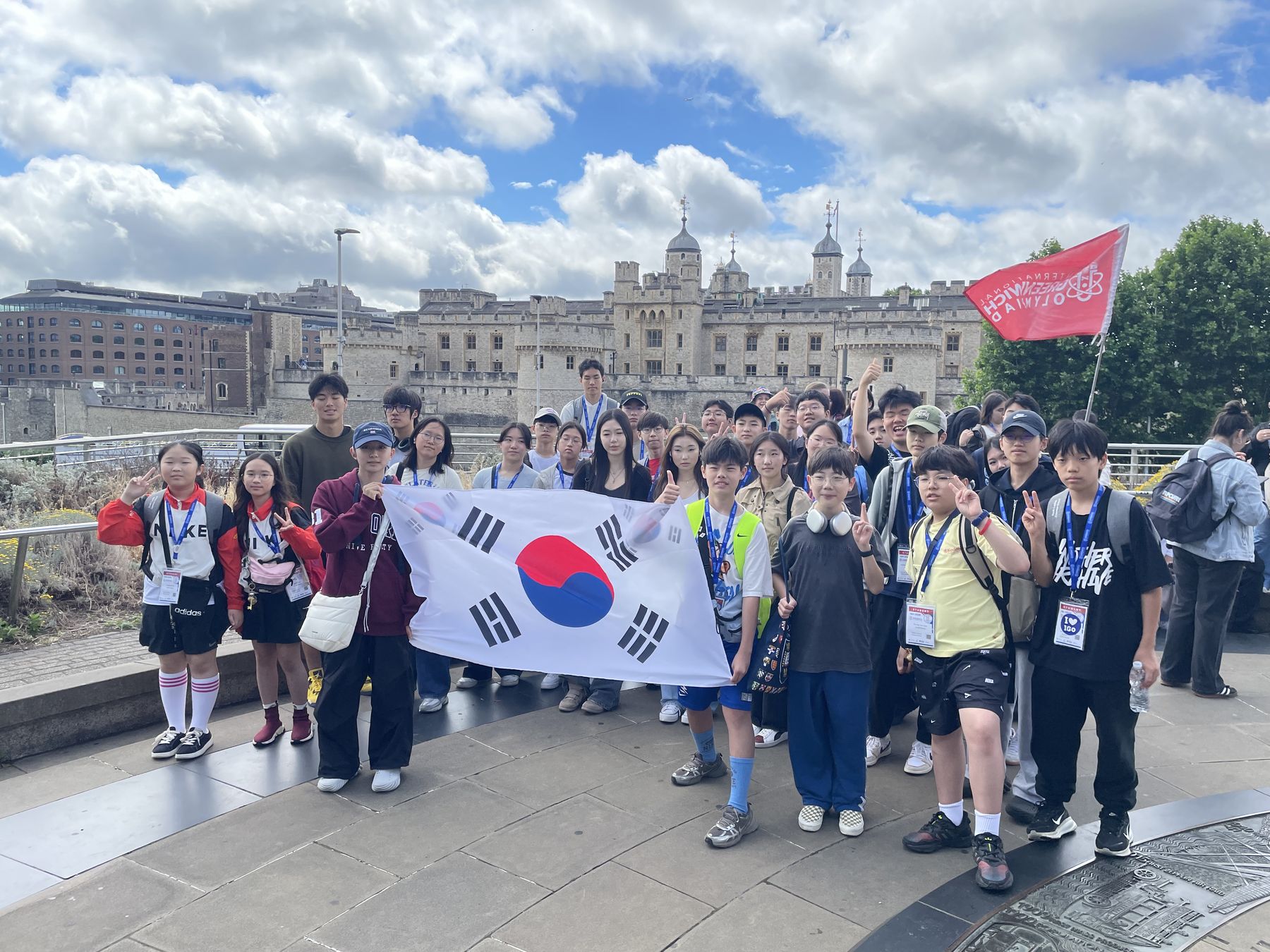
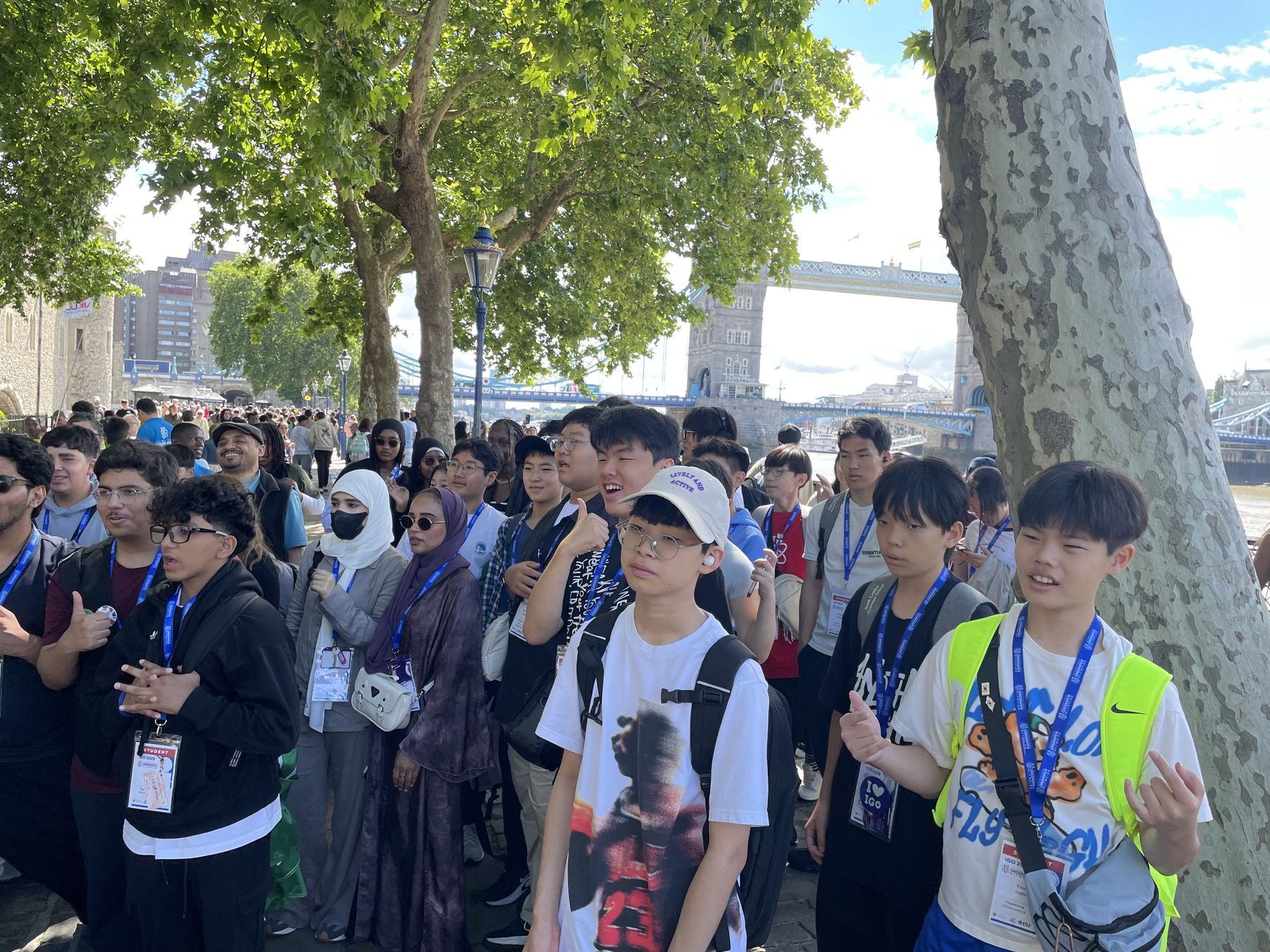
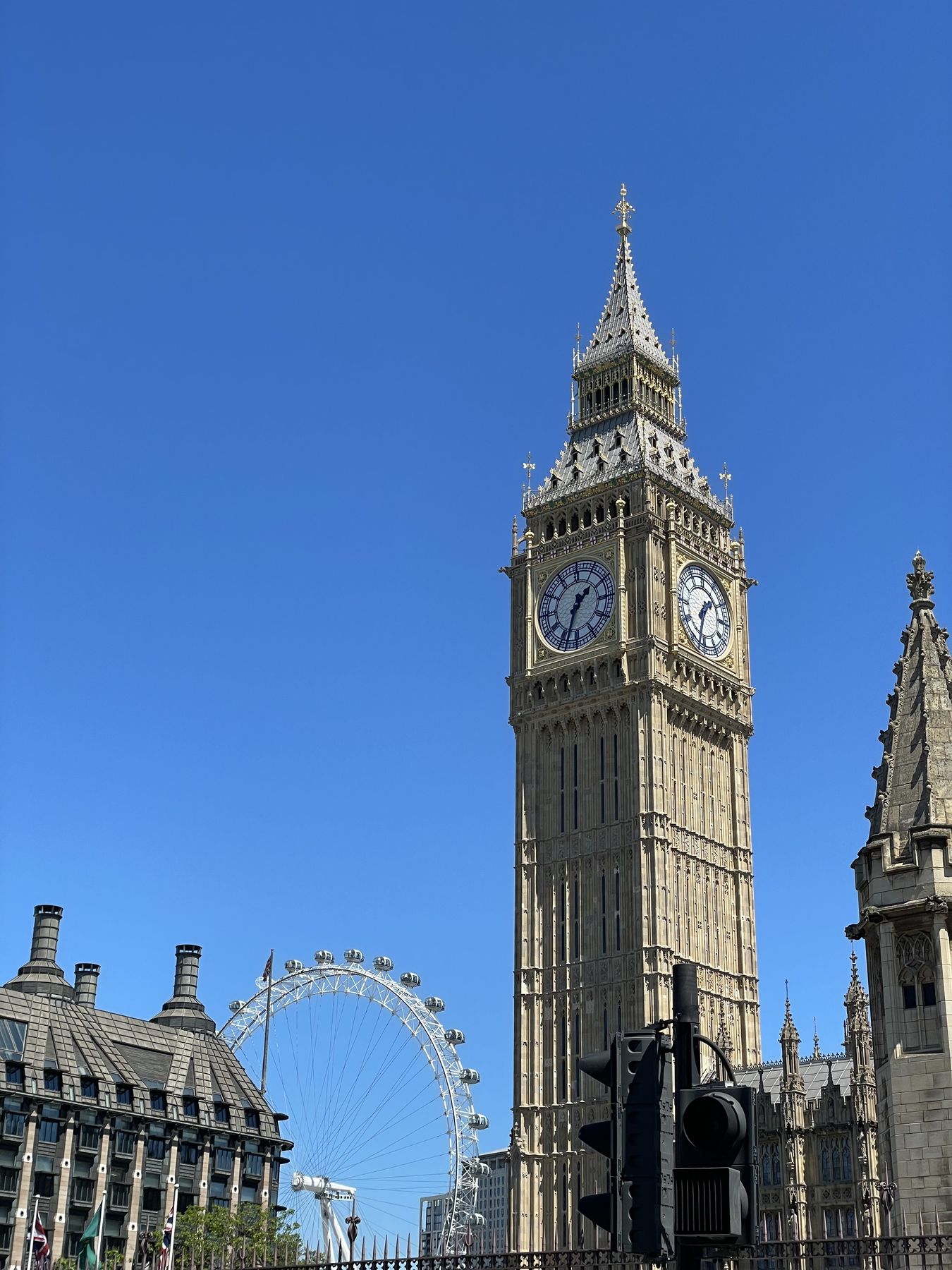
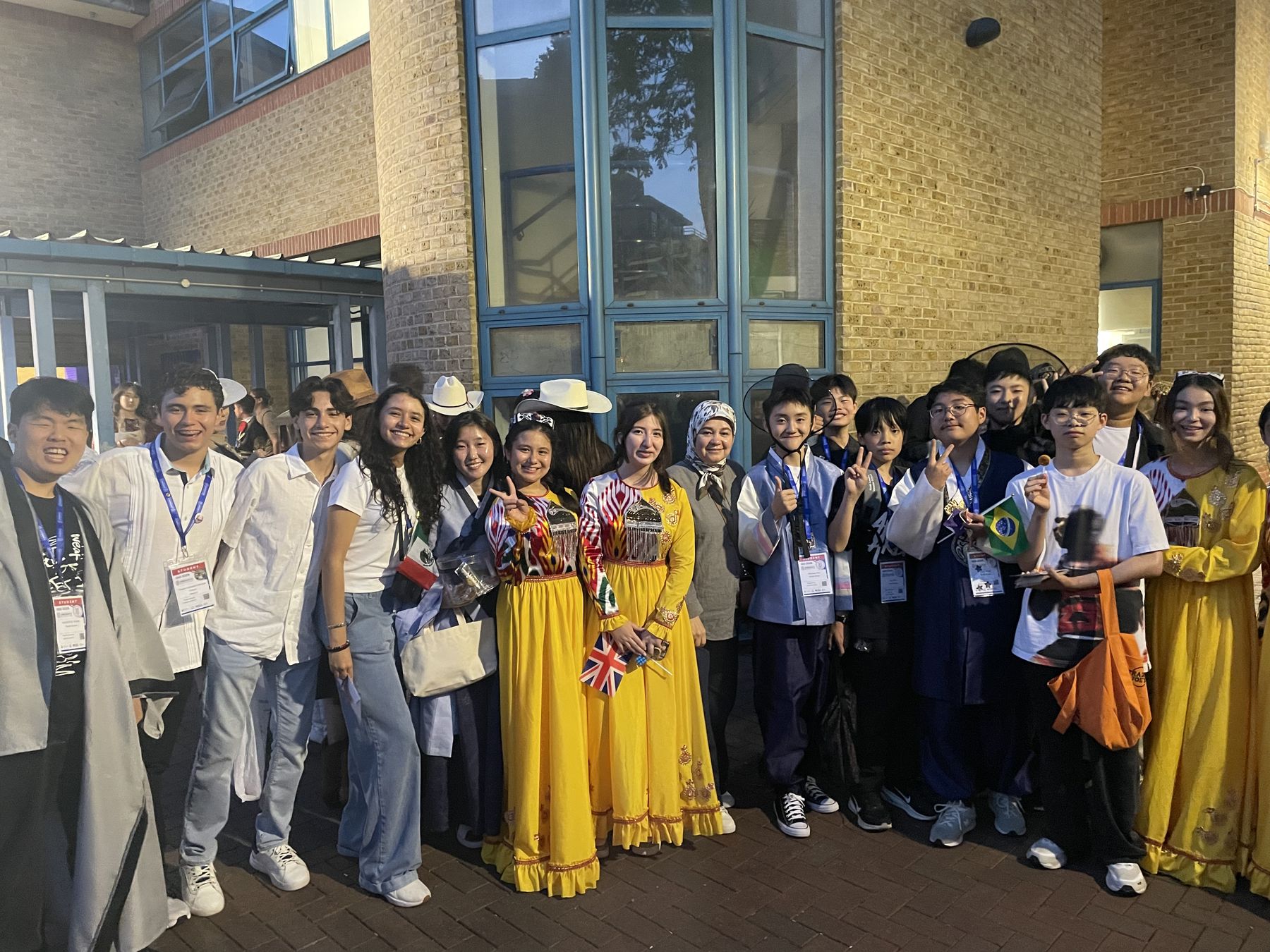
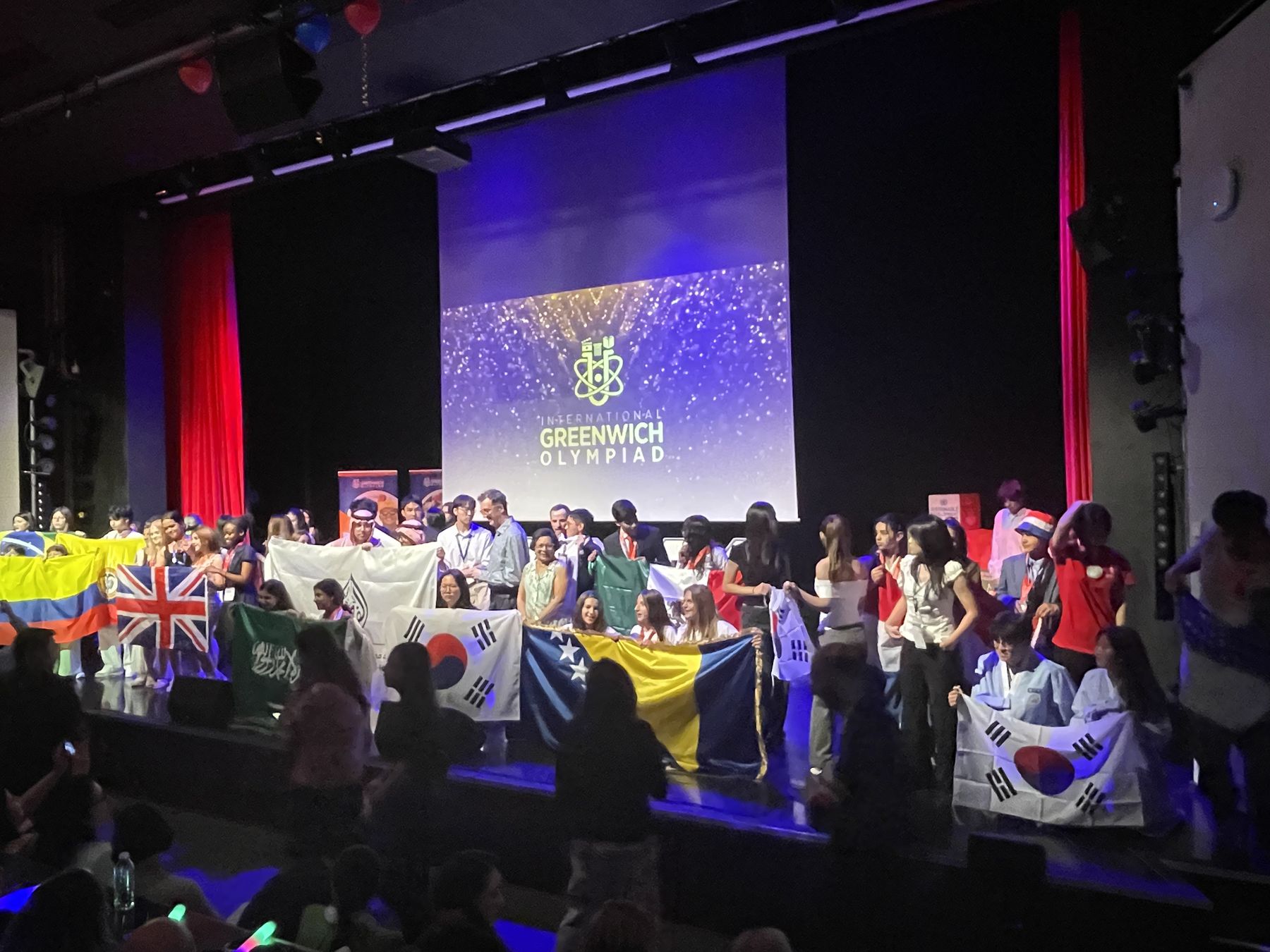
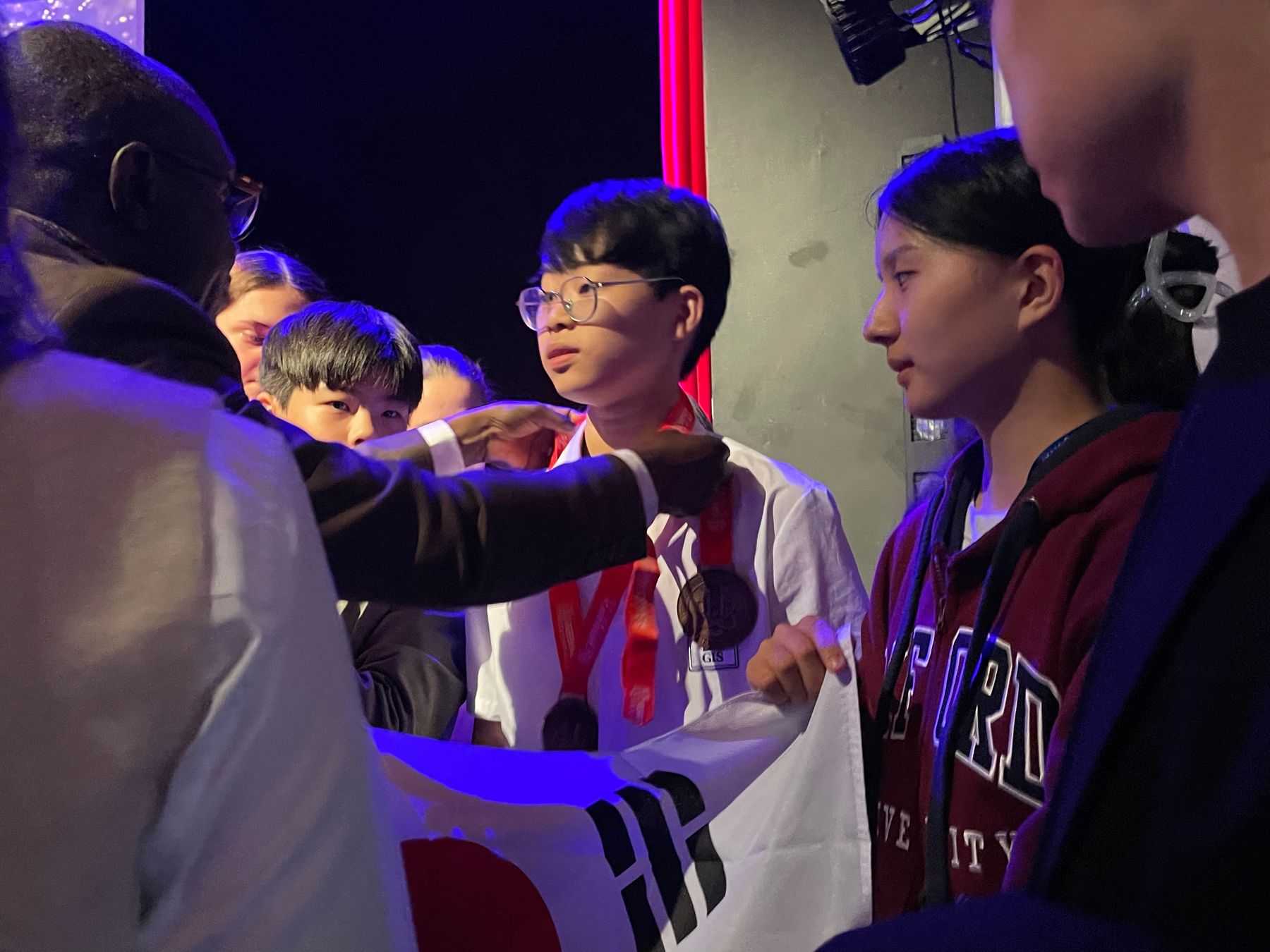
For one week, my research stood alongside finalists from more than 50 countries. Between judging sessions at Queen Mary University of London, we traded flags and stories, and walked the Thames together.

Chapter 3 Assistive robotics
For people with severe disabilities, every meal can depend on someone else’s hands. Eating on your own is more than convenience. It is independence.
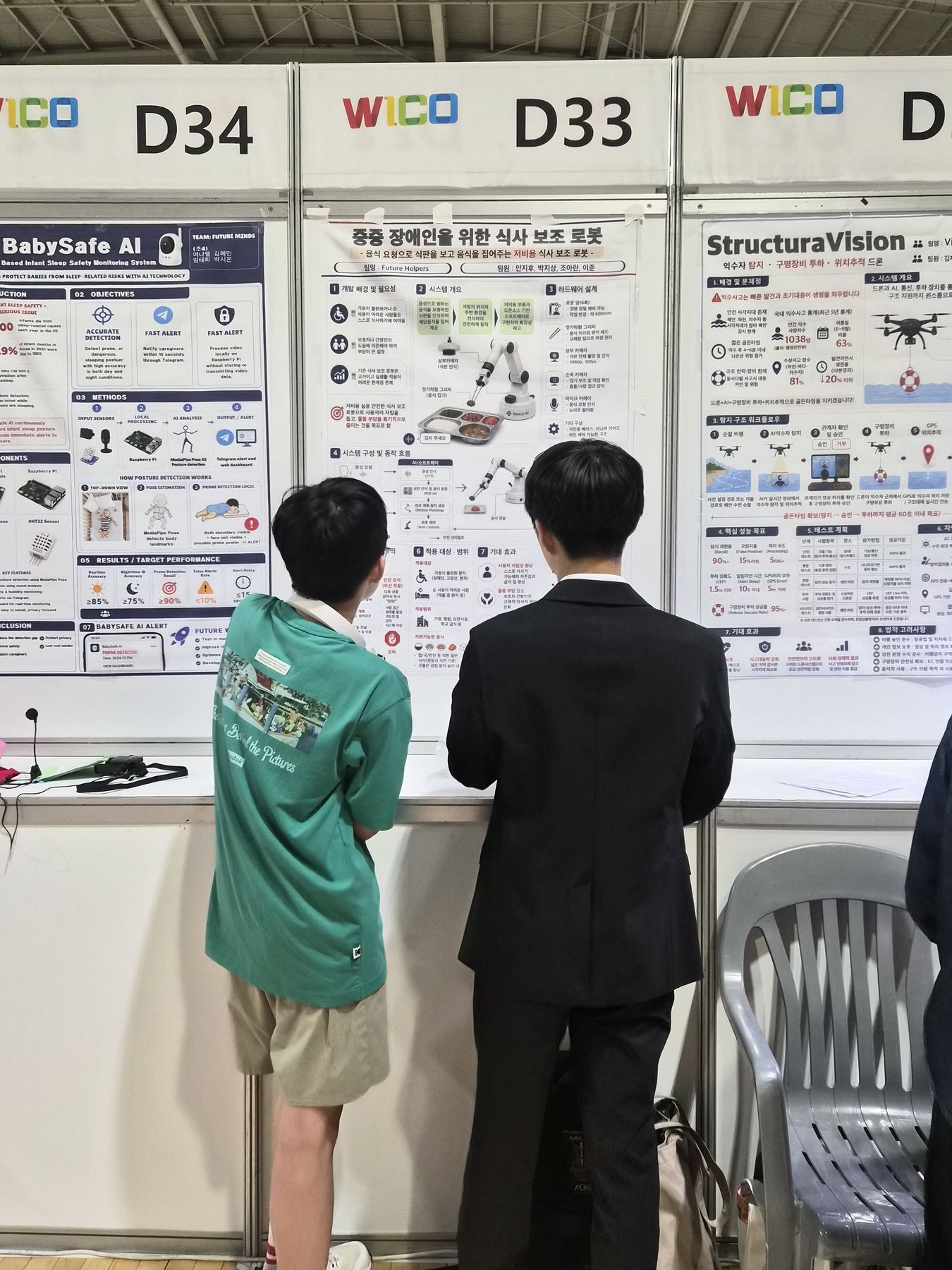
With my teammates in Team Future Helpers, I built Nexus AI, a low-cost meal-assist robot that looks at the tray, listens for a request, and picks up the food with chopstick-style grippers.
How it works
Step 01 / 04
The person simply says what they would like. Speech is turned into text, so no hands are needed to start a meal.
A camera above the tray recognises each food and where it sits. In our demo it found rice, an egg and soup.
Before anything moves, the app compares the meal with the user’s allergy profile.
A 6-axis arm with chopstick-style grippers plans its path and brings the food to the plate. A STOP button is always within reach.
Concept illustration · numbers from our app demo
Chapter 4 Now · research in progress
Pancreatic cancer is often found too late. Its golden time is especially easy to miss, and I want to help free people from it.
With guidance from researchers at UNIST and Harvard, I am developing early-detection markers for pancreatic cancer using cell-free DNA (cfDNA) and protein markers.
Fragments of DNA circulating in the blood that can carry traces of a tumour.
Molecules whose levels in the blood can shift as a disease develops.
I know this challenge alone won’t end pancreatic cancer. But I truly believe it will reach the people who share the same dream.
How it works
Step 01 / 04
The idea starts with something routine: an ordinary blood draw, rather than a scan or a biopsy.
Spun down, the clear top layer of plasma carries traces that tumours shed into the blood.
Cell-free DNA (cfDNA) fragments can carry the marks of a tumour, and some protein levels can shift as disease develops.
Read together, several markers may catch pancreatic cancer earlier than any one alone. This is the research I am working on now, with guidance from UNIST and Harvard researchers.
Concept illustration · research in progress, no results shown
Epilogue
No problem is too small, and none too big, to need many people. Doctors, patients, pharmaceutical companies, scientists, policymakers: real solutions come from all of them, together.
I’m still discovering what I do best and which career I’ll choose.
But I hope to be one of the hands that solve the global problems humanity faces.
Notes Along the way
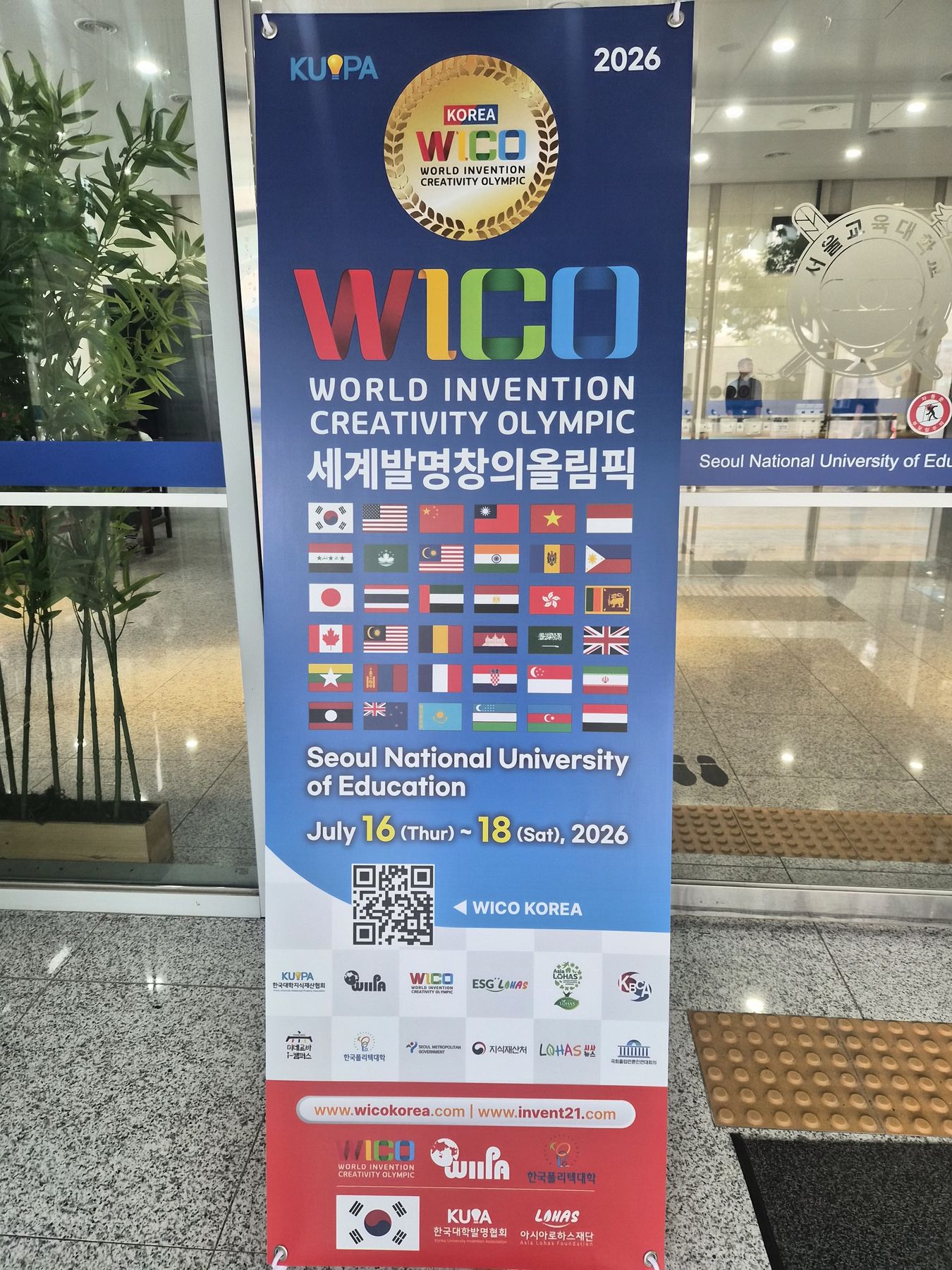
As part of the South Korea delegation, I presented the mouse-type biometric monitor to judges from universities and industry, among finalists from more than 50 countries.
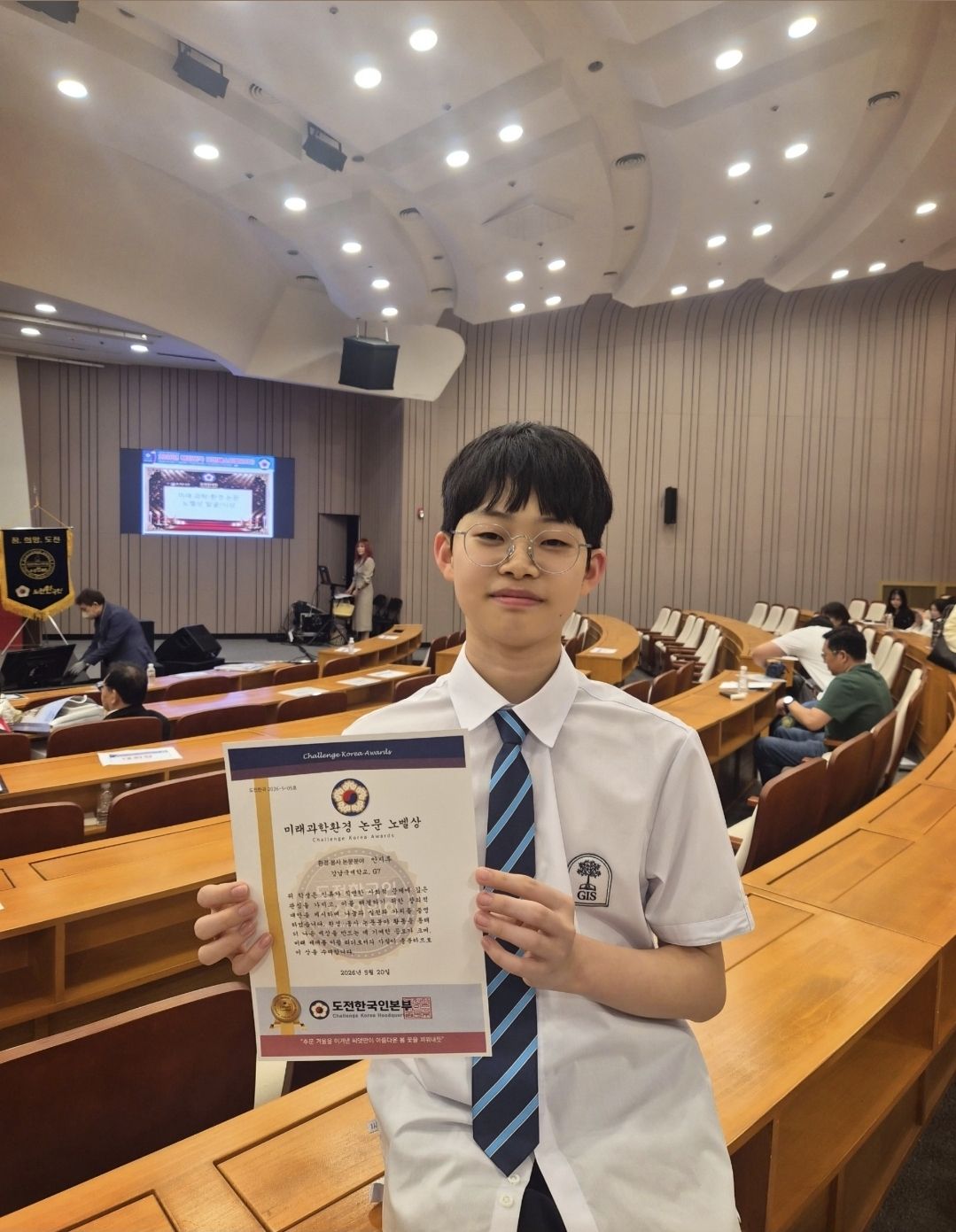
Environment & Service paper category, presented by Challenge Korea Headquarters for proposing creative solutions to the social problems humanity faces.
Notes Beyond the lab
Learning patience one swing at a time, from the simulator to seaside courses.
Playing together at home is my favourite way to switch off.
Giant chess beneath Salzburg’s golden sphere, summer 2026.
I built an RPG-style game in JavaScript, from enemy rarity tiers to damage stats, then walked my class through the code.
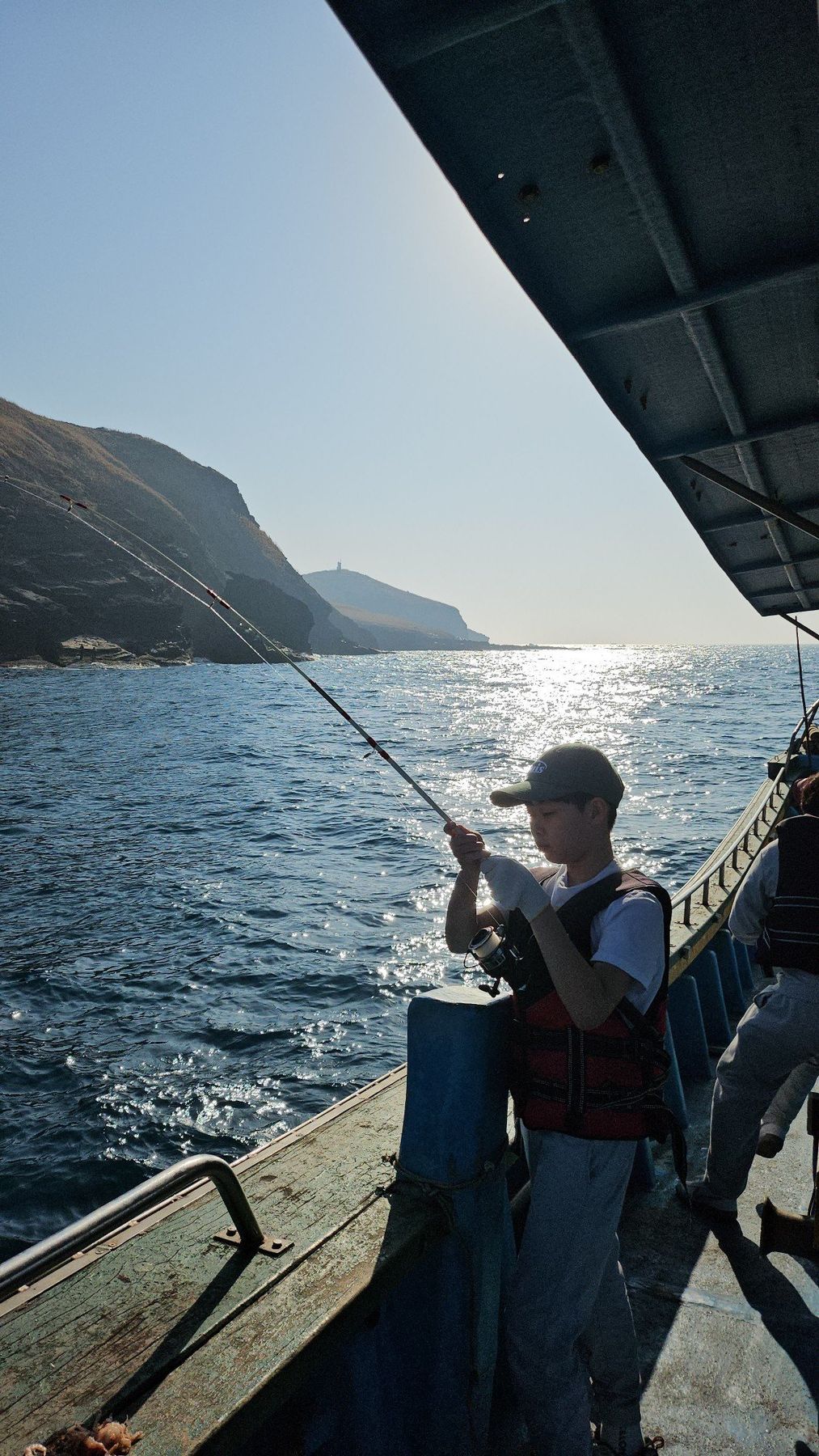
Out on the water, waiting is half the fun.
A helmet, a gravel field and an ATV.
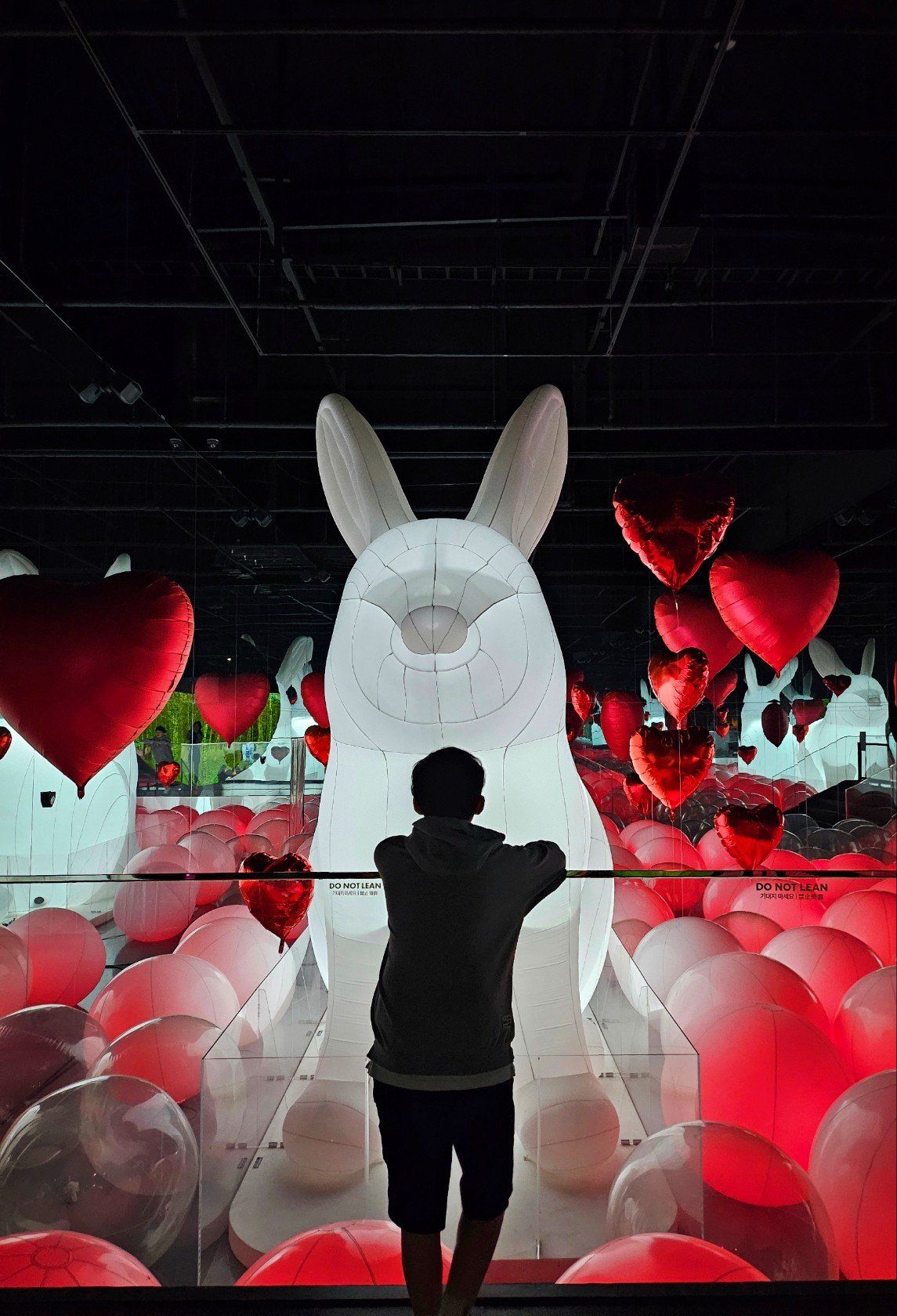
Immersive exhibitions that blur light, space and story.
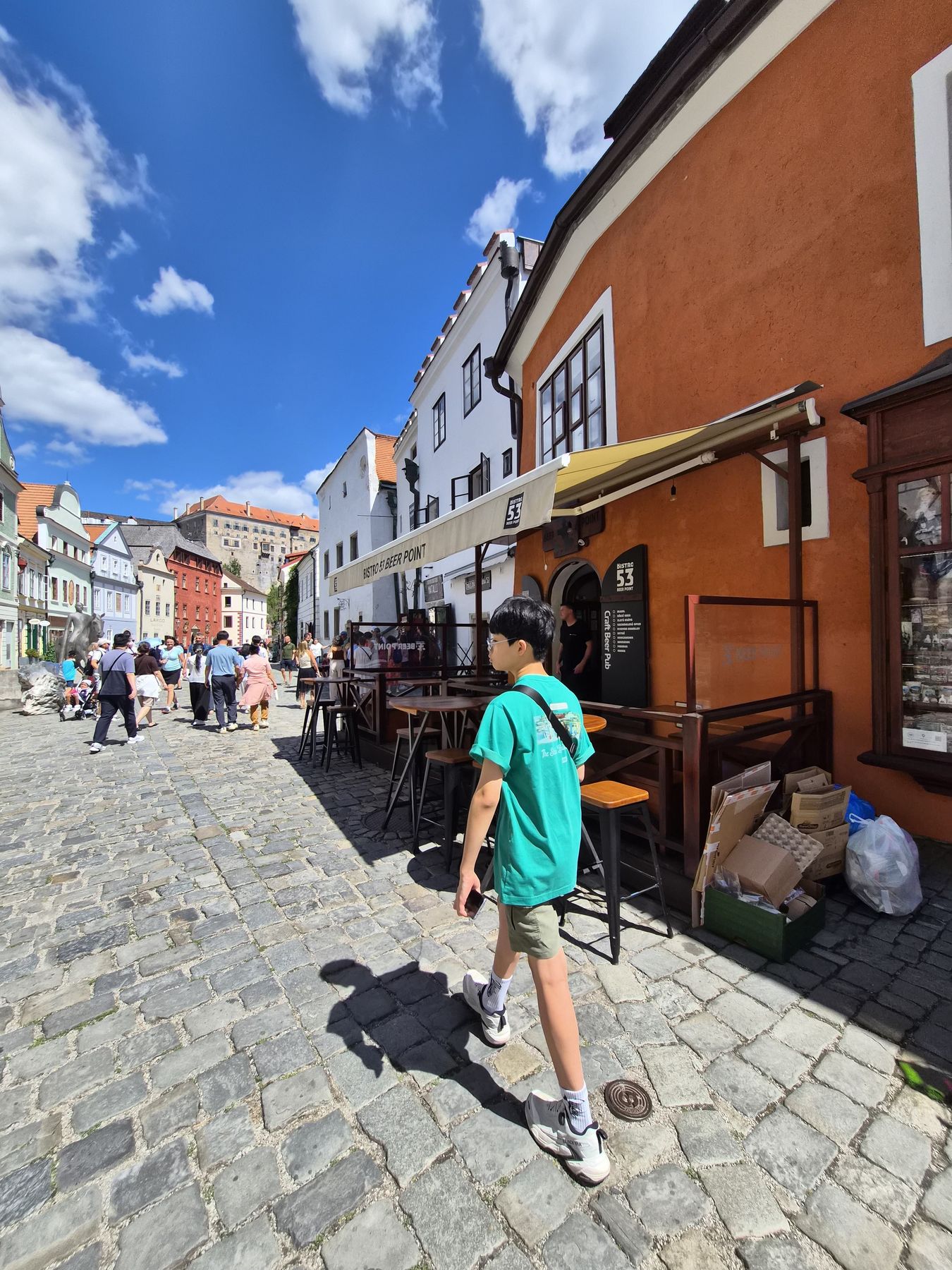
Wandering the old towns of Austria and Czechia.